
Accra, Ghana – Saturday, January 17,
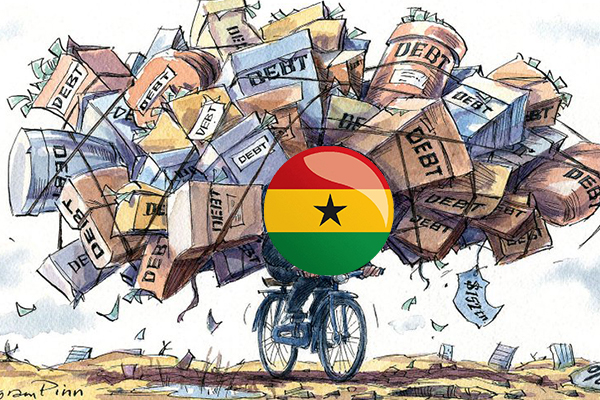
2026 Ghana’s economy is showing renewed signs of stability as the government clears $1.47 billion in energy sector debt, restores a $500 million World Bank guarantee, and prepares to exit the International Monetary Fund’s (IMF) Extended Credit Facility later this year. The developments mark a significant milestone in the country’s economic turnaround, which has been credited to fiscal reforms and the establishment of an independent council plan.
According to the Bank of Ghana, the cedi has been stabilized through a $10 billion injection between January 2025 and January 2026, while growth reached 3.8% year-on-year in October 2025, driven largely by the services sector. Analysts caution, however, that Ghana must now translate these macroeconomic gains into long-term prosperity by strengthening manufacturing and agriculture, sectors that remain under pressure.
Labour experts have dismissed concerns over recent resignations within the Minerals Income Investment Fund (MIIF), insisting that governance structures remain intact. Meanwhile, Ghanaian banks continue to favor import financing over manufacturing due to risk concerns, raising questions about the sustainability of industrial growth.
The government has also intensified efforts to attract foreign investment, pitching opportunities to diaspora communities and business leaders in Philadelphia. Canada has signaled interest in expanding trade ties with Ghana, while local stock markets recorded ₵2 billion trading on the Ghana Fixed Income Market, with the Ghana Stock Exchange edging higher despite sharp trading declines.
As Ghana positions itself to exit IMF oversight, economists warn that fiscal discipline will be critical to sustaining progress. “The reforms have stabilized conditions, but the challenge now is to convert this stability into prosperity,” said Dr. Theo Acheampong, Finance Ministry Advisor.