
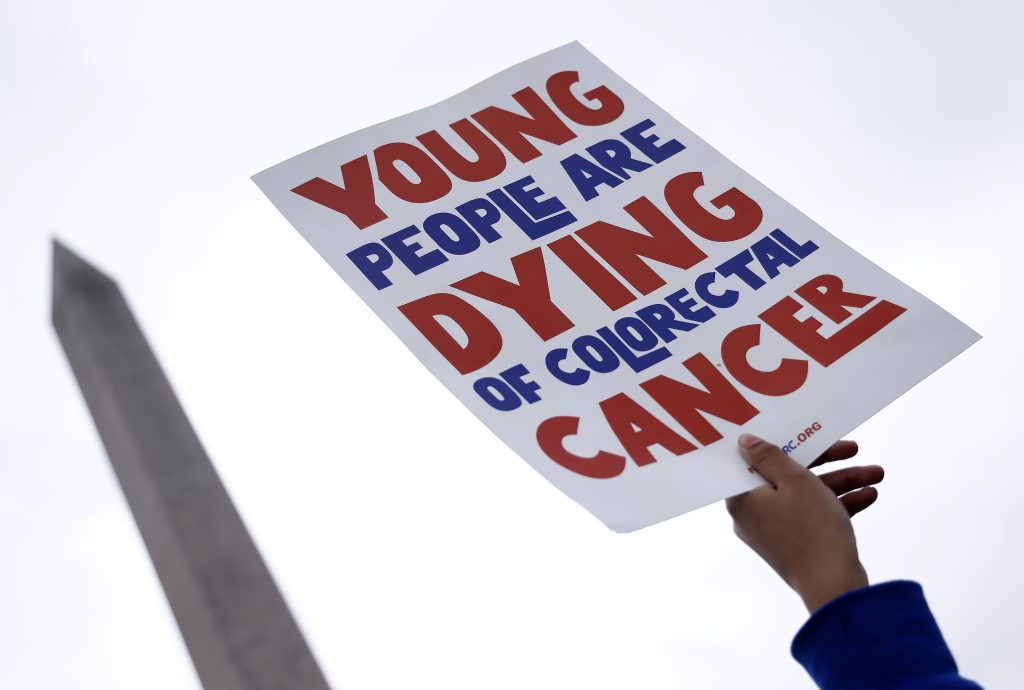

New research from the United States showing a sharp rise in colorectal cancer deaths among young adults is raising concerns among global health experts, including those focused on Africa, where cancer detection remains limited and many cases are diagnosed late.
A study published in the Journal of the American Medical Association (JAMA) reveals that colorectal cancer has become the leading cause of cancer-related deaths among people under 50 in the United States, overtaking breast, brain, lung cancers and leukemia. While deaths from most other major cancers in young adults have declined, colorectal cancer mortality has continued to rise.
Although this specific trend has been documented in the U.S., experts say the findings are highly relevant to Africa, where colorectal cancer is already an under-recognized but growing public-health problem.
Colorectal Cancer in Africa: An Emerging Threat
According to global cancer estimates, tens of thousands of new colorectal cancer cases and deaths occur across Africa each year. However, many African countries lack comprehensive cancer registries, meaning the true burden of the disease is likely underestimated.
What is clear, health experts say, is that colorectal cancer in Africa is frequently diagnosed at advanced stages, when treatment options are limited and survival rates are lower. This is largely due to low public awareness, limited screening programmes, and delays in seeking or accessing medical care.
“In many African settings, patients only present when symptoms become severe,” health professionals note. “By then, the cancer has often progressed to late stages.”
Young People Not Immune
While colorectal cancer has traditionally been associated with older adults, hospital-based studies across parts of Africa show that a significant number of patients are relatively young, sometimes in their 30s and 40s. This pattern, though not yet fully mapped at a population level, echoes concerns raised by the U.S. data.
The American study highlights that younger adults are often overlooked for routine screening, leading to delayed diagnoses, a challenge that is even more pronounced in African health systems, where screening is not widely available at any age.
Shared Risk Factors and Changing Lifestyles
Experts point to shared risk factors that could drive future increases in colorectal cancer across Africa, including rapid urbanisation, changes in diet, reduced physical activity, obesity, smoking and alcohol use. As lifestyles across many African cities increasingly resemble those in high-income countries, the risk profile for non-communicable diseases, including cancer, continues to rise.
While the exact causes of rising colorectal cancer rates among young people globally remain unclear, researchers warn that Africa may face a similar surge if early detection and prevention are not prioritised.
Why the U.S. Findings Matter for Africa
The U.S. experience serves as an early warning. In the United States, colorectal cancer screening can both detect cancer early and prevent it by removing precancerous growths. Even so, low screening uptake among younger adults has contributed to rising deaths.
In Africa, where screening is far less accessible, the risk of late diagnosis is even higher.
Health experts stress that symptoms such as persistent abdominal pain, blood in stool, unexplained weight loss, fatigue, or changes in bowel habits should never be ignored , regardless of age.
Call for Awareness and Action
As cancer increasingly affects younger populations worldwide, public-health advocates say Africa must strengthen cancer awareness, improve diagnostic capacity, and invest in cancer surveillance systems to better understand and respond to emerging trends.
The rise in colorectal cancer deaths among young adults in the U.S. is not just an American story, it is a warning sign for countries with limited screening and late diagnosis, including many across Africa.