
Analysts Predict Continued Bank of Ghana Interventions
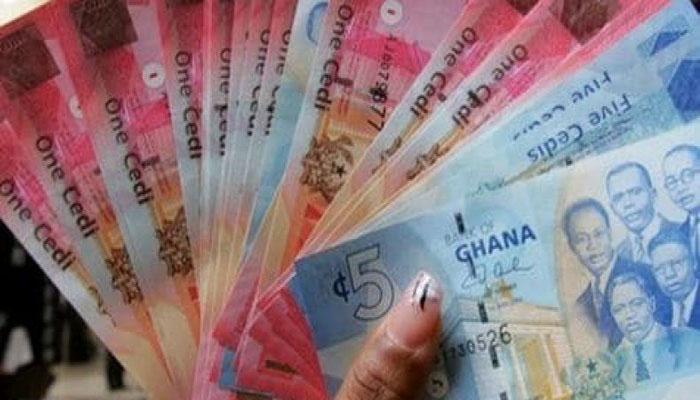
Accra, Ghana — January 30, 2026 The Ghana cedi ended the first month of 2026 under significant pressure against major international currencies, raising concerns among businesses and consumers about the stability of the local economy.
According to official figures from the Bank of Ghana, the cedi closed trading on the interbank market at GH¢10.95 to the US dollar. However, at forex bureaus across Accra and other major cities, the dollar was selling for as high as GH¢11.85, reflecting strong demand and limited supply in the retail market.
The euro also recorded sharp movements, trading between GH¢13.20 and GH¢14.10, while the British pound ranged from GH¢15.30 to GH¢16.20. Market watchers say the widening gap between interbank and bureau rates highlights persistent pressure on foreign exchange reserves and the challenges of meeting import demand.
Economic analysts have attributed the depreciation to a combination of factors, including increased demand for foreign currency by importers, seasonal pressures from end-of-year transactions, and limited inflows from exports. They warn that if the trend continues, inflationary pressures could rise, affecting the cost of goods and services.
The Bank of Ghana is expected to continue its interventions in the currency market, including direct dollar injections and tighter monetary policies, to stabilize the exchange rate. Officials have assured the public that measures are being taken to protect the cedi and maintain investor confidence.
Financial experts, however, caution that long-term stability will depend on structural reforms, including boosting export earnings, reducing reliance on imports, and strengthening fiscal discipline. Businesses are being advised to plan cautiously, while consumers brace for possible price adjustments in imported goods.