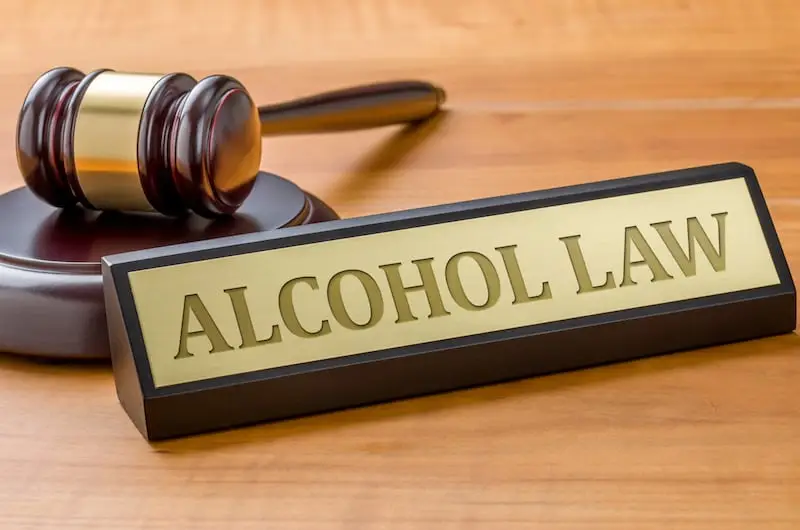

Ghana’s Parliament is preparing to debate a new Alcohol Control Regulations Bill, a landmark piece of legislation aimed at tightening rules on the advertising, promotion, and marketing of alcoholic beverages nationwide. The bill, which has already generated significant public interest, is expected to reshape the way alcohol is marketed and consumed, with far‑reaching implications for public health, industry practices, and cultural norms.
Alcohol consumption has long been a subject of debate in Ghana, balancing cultural acceptance with growing concerns about health and social consequences. While alcoholic beverages are widely consumed at social gatherings, festivals, and family events, health experts have warned about rising rates of alcohol‑related illnesses, addiction, and accidents.
Advertising has played a central role in shaping consumption patterns, with aggressive marketing campaigns targeting young people, urban populations, and even rural communities. Billboards, radio jingles, television commercials, and sponsorship of major events have normalized alcohol consumption, often glamorizing it as a symbol of success, celebration, or modern lifestyle.
The proposed bill seeks to address these concerns by introducing stricter regulations that limit how alcohol can be promoted, ensuring that marketing practices do not undermine public health or encourage irresponsible consumption.
The Alcohol Control Regulations Bill is designed to achieve several key objectives:
- Protect Public Health: Reduce exposure to alcohol advertising, particularly among children and young adults, who are most vulnerable to marketing influences.
- Promote Responsible Consumption: Ensure that marketing messages emphasize moderation and discourage excessive drinking.
- Align with International Standards: Bring Ghana’s alcohol regulation framework in line with global best practices recommended by the World Health Organization (WHO).
- Reduce Alcohol‑Related Harm: Address the growing burden of alcohol‑related diseases, accidents, and social problems.
Although the full text of the bill has not yet been released, stakeholders anticipate several critical provisions:
- Restrictions on Advertising Platforms: Limiting alcohol advertisements on television, radio, and digital platforms during hours when children are likely to be exposed.
- Ban on Outdoor Billboards: Prohibiting large‑scale outdoor advertising in residential areas, schools, and public spaces.
- Event Sponsorship Rules: Restricting alcohol companies from sponsoring events that attract minors or family audiences.
- Mandatory Health Warnings: Requiring all alcohol advertisements to include clear health warnings about the risks of excessive consumption.
- Content Regulation: Prohibiting advertisements that glamorize alcohol use, associate it with sexual success, or depict drinking as a solution to stress or social problems.
- Licensing and Compliance: Establishing a framework for monitoring and penalizing companies that violate advertising rules.
Medical experts have welcomed the bill, emphasizing the urgent need to curb alcohol‑related harm. Studies have shown that excessive alcohol consumption contributes to liver disease, hypertension, mental health disorders, and road traffic accidents. The Ghana Health Service has reported increasing cases of alcohol‑related hospital admissions, particularly among young adults.
Public health advocates argue that reducing exposure to alcohol advertising is a proven strategy to lower consumption rates. They point to evidence from countries such as South Africa and Kenya, where stricter advertising regulations have led to measurable declines in alcohol abuse.
The alcohol industry has expressed mixed reactions to the proposed bill. While some companies acknowledge the importance of promoting responsible consumption, others fear that the regulations could hurt business, reduce brand visibility, and limit sponsorship opportunities.
Industry representatives argue that alcohol is a legal product and that responsible marketing should be allowed. They caution that overly restrictive rules could drive advertising underground or encourage informal marketing practices that are harder to regulate.
Nevertheless, many companies are preparing to adapt, exploring alternative strategies such as corporate social responsibility campaigns, product diversification, and partnerships that emphasize moderation.
Civil society organizations and religious groups have strongly supported the bill, describing it as a necessary step to protect communities from the harmful effects of alcohol. Religious leaders, in particular, have long campaigned against excessive drinking, linking it to family breakdowns, violence, and moral decline.
Community activists argue that alcohol advertising disproportionately targets vulnerable populations, glamorizing consumption while ignoring its consequences. They believe the bill will empower families and communities to resist harmful influences and promote healthier lifestyles.
One of the major challenges will be enforcement. Past attempts to regulate alcohol advertising have faltered due to limited resources, lack of coordination among agencies, and resistance from powerful industry players.
The success of the bill will depend on:
- Adequate funding for monitoring agencies.
- Training enforcement officers to measure compliance.
- Collaboration between government, civil society, and industry.
- Use of technology to track advertising across digital platforms.
Without strong enforcement, critics warn, the bill could remain symbolic rather than transformative.
The Alcohol Control Regulations Bill reflects Ghana’s broader commitment to public health and responsible governance. It aligns with international efforts to reduce non‑communicable diseases and demonstrates government’s willingness to confront powerful industries in the interest of citizens’ well‑being.
If passed, the bill could set a precedent for other African countries, positioning Ghana as a leader in alcohol regulation and public health policy. It would also strengthen Ghana’s reputation as a country that prioritizes the welfare of its people over commercial interests.
Parliament’s upcoming debate on the Alcohol Control Regulations Bill represents a turning point in Ghana’s approach to alcohol consumption and marketing. By tightening rules on advertising, the bill seeks to protect public health, promote responsible drinking, and align national policy with global best practices.
While challenges remain, particularly in enforcement and industry adaptation, the bill has the potential to transform Ghana’s alcohol landscape. It is a bold step toward healthier communities, safer environments, and a more responsible society.
As lawmakers prepare to deliberate, citizens, civil society, and industry stakeholders will be watching closely. The outcome of the debate will not only shape the future of alcohol regulation but also signal Ghana’s broader commitment to safeguarding the health and well‑being of its people.