
A Ghanaian national has publicly refuted claims made in a recent CNN report alleging that Africans were duped into fighting in the Russia–Ukraine war. His denial has sparked a heated debate on the role of global media, the spread of misinformation, and the representation of African voices in international conflict narratives.
This controversy underscores the critical importance of fact-checking, responsible journalism, and the need for African perspectives to be highlighted in global reporting.
The CNN feature suggested that African nationals were allegedly misled or coerced into joining Russian forces in the ongoing war in Ukraine.
- The report claimed that economic vulnerability and lack of awareness made Africans susceptible to recruitment.
- It further implied that African governments were either unaware or complicit in the alleged recruitment.
Such claims, however, have been strongly challenged by individuals and analysts who argue that the narrative lacks evidence and misrepresents African agency.
The Ghanaian man at the center of this debate has categorically denied being duped or coerced.
- He emphasized that his decision-making was independent, and he was not manipulated by external forces.
- He described CNN’s portrayal as misleading, damaging, and disrespectful to Africans who are capable of making informed choices.
“We are not pawns in someone else’s war. To suggest that Africans were tricked is an insult to our intelligence and dignity,” he stated.
His remarks have resonated widely, prompting public discourse on how African identities are framed in Western media.
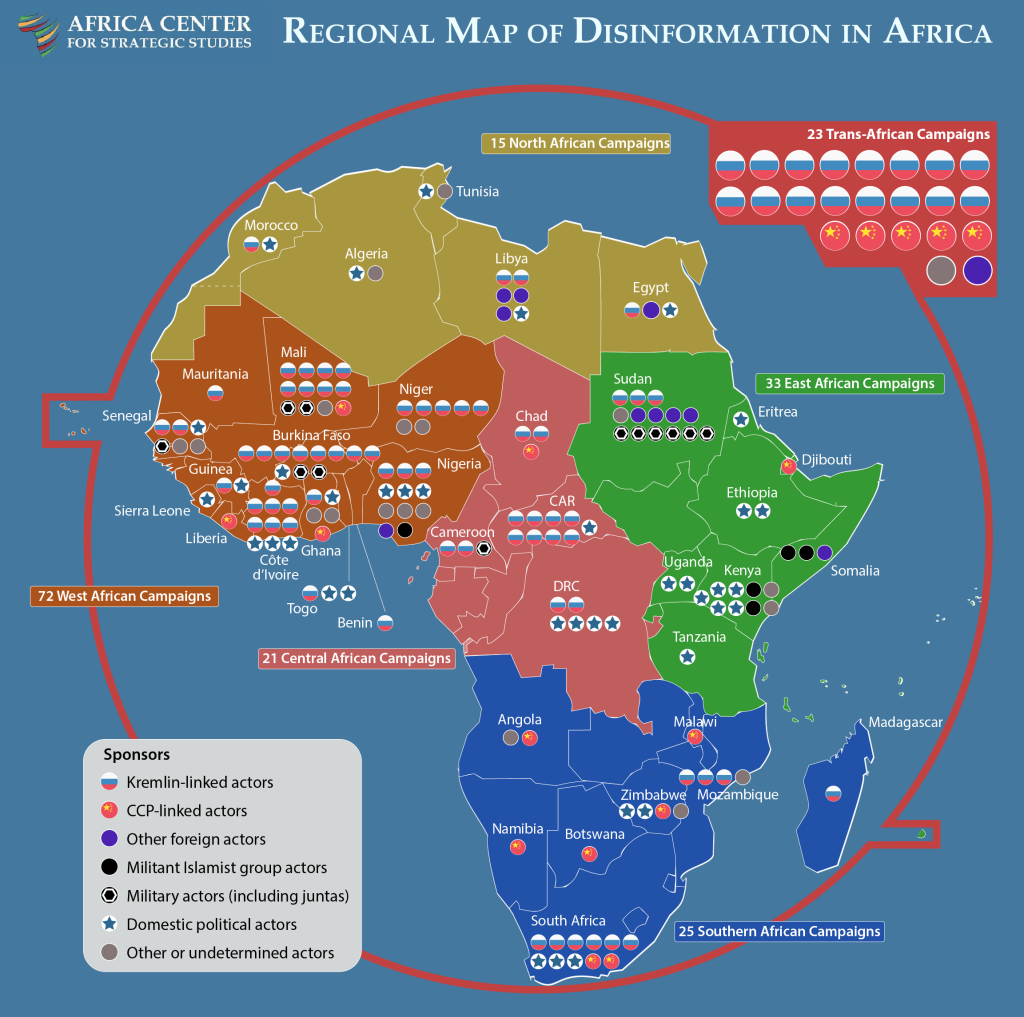
The incident has ignited a broader conversation about misinformation and media bias.
- Misinformation: The spread of unverified claims can distort public perception and fuel stereotypes.
- Media Bias: Western outlets are often accused of portraying Africa through a lens of victimhood and dependency.
- Fact-Checking: Analysts stress the need for independent verification before publishing sensitive stories.
This debate highlights the power imbalance between global media giants and local voices, raising questions about who controls the narrative.
The controversy reflects a long-standing issue: how Africa is represented in international journalism.
- Africans are often depicted as helpless victims, rather than active participants in global affairs.
- Such portrayals reinforce negative stereotypes and undermine Africa’s sovereignty.
- The Ghanaian’s rebuttal serves as a reminder that Africans demand respect, accuracy, and agency in global storytelling.
- Diplomatic Relations: Ghana’s image in global politics could be affected by how its citizens are portrayed.
- Media Literacy: Citizens are urged to develop critical media consumption skills to resist misinformation.
- Policy Response: Governments may need to engage international media houses to demand accountability.
The Ghanaian’s bold refutation of CNN’s claims has become more than a personal defense—it is a symbolic stand against misinformation and misrepresentation. It challenges global media to uphold journalistic integrity, while reminding Africans of the importance of owning their narratives.
Misinformation is not just a journalistic error—it is a threat to identity, dignity, and sovereignty.