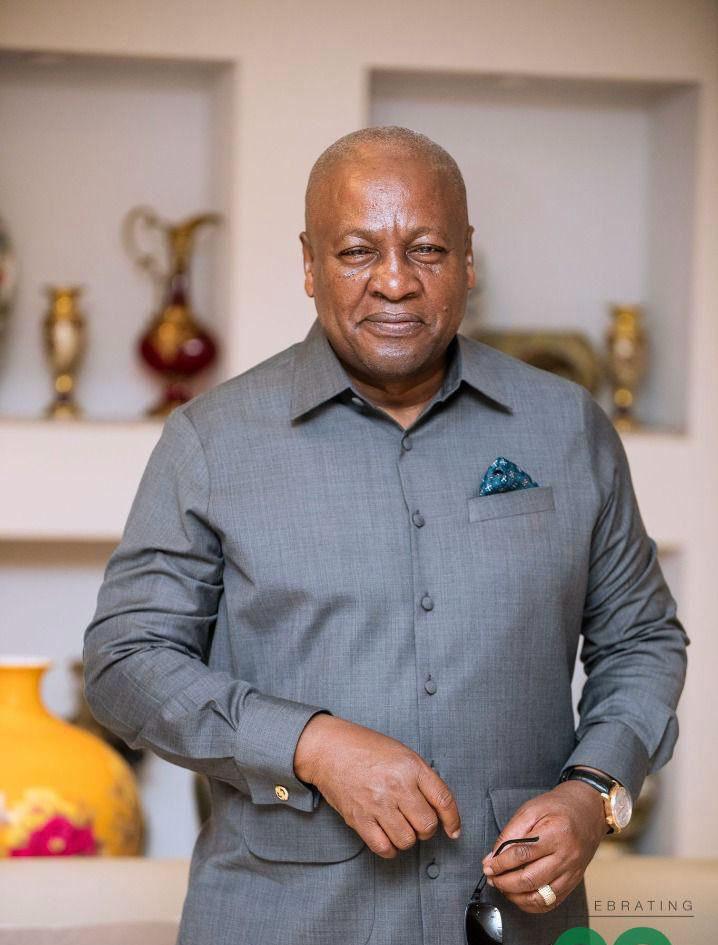

President John Mahama has called an emergency cabinet meeting today to address the escalating crisis in Ghana’s cocoa sector. The Ghana Cocoa Board (COCOBOD) is grappling with a mounting debt estimated at GH¢32.91 billion, a situation described by its Chief Executive Officer, Randy Abbey, as “unsustainable.”
- COCOBOD’s debt has reached GH¢32.91 billion, raising concerns about the institution’s financial stability.
- The debt crisis has led to delayed payments to cocoa farmers, undermining their livelihoods.
- Large volumes of unsold cocoa beans remain at Ghana’s ports, further straining the sector.
Farmers across the country are facing:
- Delayed payments for harvested beans.
- Rising production costs without corresponding income.
- Uncertainty about the future of cocoa exports, which remain a cornerstone of Ghana’s economy.
- Loss of confidence in COCOBOD’s ability to manage the sector effectively.
COCOBOD CEO Randy Abbey has acknowledged the severity of the crisis, stating that the current situation is “unsustainable.” His admission underscores the urgent need for government intervention and structural reforms.
President Mahama’s emergency cabinet meeting is expected to:
- Explore strategies to restructure COCOBOD’s debt.
- Consider measures to clear unsold cocoa beans at ports.
- Develop policies to ensure timely payments to farmers.
- Strengthen the financial management systems within COCOBOD.
The cocoa sector crisis has far-reaching consequences:
- Cocoa remains Ghana’s largest agricultural export and a major source of foreign exchange earnings.
- The debt burden threatens the stability of the national economy.
- International buyers may lose confidence in Ghana’s ability to meet supply commitments.
- The crisis could affect Ghana’s credit ratings and investment climate.
- Farmers’ associations are demanding immediate action to secure payments.
- Civil society groups are calling for transparency in COCOBOD’s financial dealings.
- Economists warn that without urgent reforms, the debt crisis could spiral into a national economic emergency.
The cocoa sector crisis represents one of the most significant challenges facing Ghana’s economy today. With GH¢32.91 billion in debt, delayed farmer payments, and unsold beans clogging ports, the situation demands swift and decisive action. President John Mahama’s emergency cabinet meeting will be a critical test of the government’s ability to stabilize the sector and restore confidence among farmers, stakeholders, and international partners.