
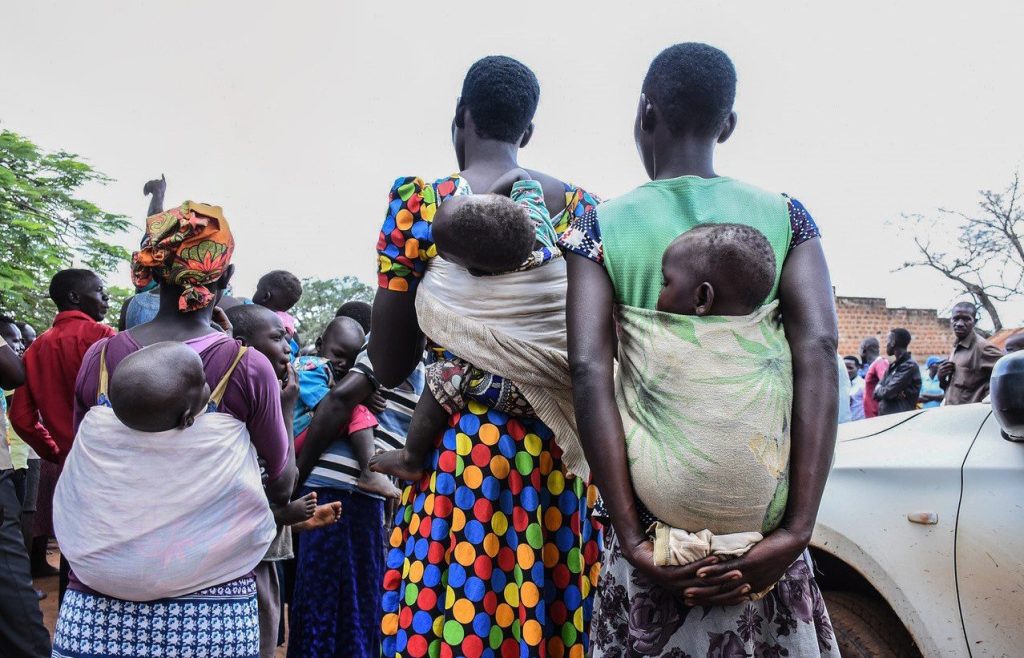

Teenage pregnancy rates in Ghana remain alarmingly high, posing a significant challenge to families, communities, and national development. Social commentators and health experts link the issue to poverty, lack of education, and limited access to reproductive health services. The persistence of this crisis underscores the urgent need for comprehensive interventions that address both social and economic root causes.
- Ghana continues to record high teenage pregnancy rates, particularly in rural and low-income communities.
- Many young girls face limited access to reproductive health services, leaving them vulnerable to early pregnancies.
- The issue is compounded by poverty, which forces some teenagers into early relationships or child marriages.
Teenage pregnancy has far-reaching consequences:
- Families experience financial strain, as resources are redirected to support young mothers and their children.
- Communities face social disruption, with rising numbers of school dropouts.
- The cycle of poverty and inequality deepens, as teenage mothers often struggle to continue their education or secure stable employment.
- Children born to teenage mothers are more likely to face health risks and limited opportunities.
Social commentators highlight several key drivers:
- Poverty, which increases vulnerability and reduces access to education.
- Lack of education, particularly in rural areas, where girls are less likely to complete secondary school.
- Limited access to reproductive health services, including contraception and counselling.
- Cultural norms and stigma, which discourage open discussions about sexuality and reproductive health.
The government has introduced initiatives aimed at reducing teenage pregnancy, but challenges remain:
- Educational campaigns have been launched to raise awareness.
- School-based programs promote reproductive health education.
- Community outreach initiatives seek to engage parents and guardians.
- However, gaps in implementation and funding continue to undermine progress.
Civil society organisations are playing a critical role in:
- Providing support services for teenage mothers.
- Advocating for inclusive policies that prioritize girls’ education.
- Promoting community dialogue to break the stigma surrounding reproductive health.
- Partnering with schools and local leaders to expand access to contraception and counselling.
The persistence of teenage pregnancy in Ghana highlights the intersection of poverty, education gaps, and limited health services. Without urgent and coordinated action, families and communities will continue to bear the burden of this crisis. Addressing the issue requires a multi-sectoral approach—combining government policy, civil society advocacy, and community engagement—to ensure that young girls are empowered to pursue education, avoid early pregnancies, and contribute meaningfully to national development.